















With car washes and jet washes a lucrative part of many forecourts’ business, you want to make sure they are working with as little downtime as possible. A driver pulls up, sees your wash is out of action, they’ll drive away and try somewhere else. And if they prefer that other location, you may have lost a loyal customer.
Spring is typically the start of the peak car washing season but are your forecourt’s drainage systems running freely after the heavy demands of winter?
Jack Aplin, Eurotank Service Group’s sales director, says: “It’s been a very long and wet winter, which means there will have been a lot of surface debris washed into the drainage system and interceptor. To avoid flooding and having your valeting facilities out of action on sunny days when more drivers will want to wash their cars, it’s a good idea to make sure your drainage systems are running freely.”
Eurotank Environmental recommends a six-monthly interceptor and drainage maintenance and cleaning service to prevent the build-up of contaminants and debris to significantly reduce the risk of flooding, especially on sites with a high volume of valeting trade.
Susan Duncan, Eurotank Environmental’s operations manager for interceptor drainage services, says: “The accumulation of oil, silt, debris and other contaminants within an interceptor increases the risk of forecourt flooding and the risk of pollutants contaminating the sewerage system or watercourse.
“The build-up of flammable residues in forecourt drains is another risk to be avoided as spillage is inevitable in all fuel and oil-dominated environments. Even the smallest drop of oil is enough to contaminate vast expanses of drainage and the watercourse. Forecourts with jet washes also see drainage systems requiring regular maintenance.
“Visits conducted at regular intervals and this pro-active approach of pre-planned maintenance ensures there is no loss of service hours for the business and customers get a continuous service.”
Eurotank provides all customers with photographic evidence and confirmation of how much waste has been removed to give site owners both peace of mind that the clean has been carried out to a very high standard and proof of compliancy in the event of an environmental incident.
An interceptor and drainage maintenance visit can also be combined with a jetwash bay valeting service, enabling customers to make cost savings by having one supplier provide multiple services during a single visit.
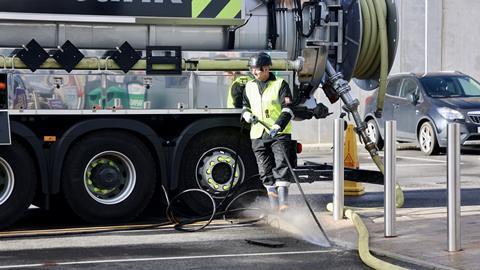
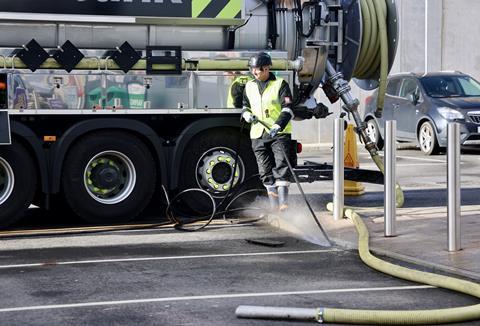
Jet wash bay valeting involves chemical cleaning of screens and machines in addition to the wash pits and silt traps using Eurotank’s fleet of Rolba ADR tankers. The company says jet wash bays should be cleaned between two and four times a year, depending on how busy the valeting facilities are.
First line of defence
Nicky Gallazi, business development manager at TSG UK, also advises operators to take a proactive approach to their car wash maintenance.
“A wash system is a core revenue stream for many forecourts. When it stops, the financial impact is immediate. Planned maintenance gives operators certainty. It keeps equipment dependable and ensures customers always receive the quality wash they expect.”
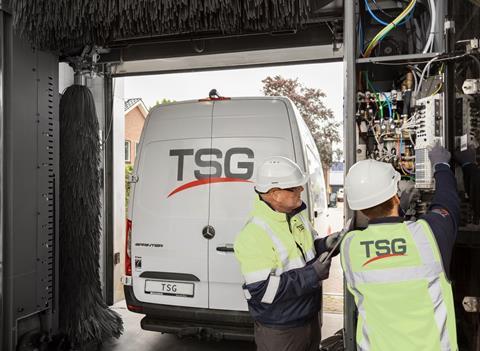
He says daily checks carried out by forecourt teams form the first line of defence. Basic steps such as inspecting brushes, confirming detergent levels, clearing drains and running a quick test wash help identify emerging issues before they escalate.
“These small tasks take only a few minutes yet play a vital role in keeping equipment safe, presentable and ready for service.
“Planned preventative maintenance (PPM) provides the deeper protection that busy wash sites need. Regular visits from trained technicians keep machinery in optimal condition, extend equipment lifespan and reduce the likelihood of sudden breakdowns. For forecourts operating at peak periods, this structured approach offers predictable budgeting and supports a smooth, uninterrupted customer experience.”
By contrast, Gallazi says a reactive approach often leads to longer outages, higher repair costs and avoidable disruption.
“When equipment fails unexpectedly, it is not only wash revenue that suffers. Customer satisfaction across the entire forecourt can decline, particularly if queues form or if the wash area appears neglected. In a competitive market, the visual presentation of the wash bay matters as much as performance. Clean, well‑maintained equipment reassures customers that the site takes pride in its facilities.”
Although many operators opt to work with specialised maintenance providers, Gallazi says the core principles of an effective PPM programme remain consistent throughout the industry.
“Regular inspections by trained wash technicians help identify wear, protect vital components and ensure the system operates safely. Access to appropriate replacement parts also helps reduce downtime, allowing repairs to be completed quickly and efficiently.”
Alongside scheduled visits, many suppliers now offer remote troubleshooting to help forecourts resolve minor issues quickly.
“This blend of planned maintenance, responsive support and ongoing technical guidance has become a common framework for keeping wash facilities reliable throughout the year, regardless of site size or throughput.”
Prior planning
Guy White from The Laurels Service Station in Lincolnshire has a forecourt maintenance contract with TSG.
“It covers the site from top to bottom with have planned preventative maintenance cover, weights and measure checks and Stage II checks. They also look after our pumps for us.”
White says one of the biggest problems on site can be when the VR goes down which can result in not being able to dispense unleaded.
“On top of that you can get things like fuel filters clogging but having a contract in place with TSG means they are on site reasonably quickly.
“I know many smaller independents only ring a maintenance company when they have a problem and will go with whoever is cheapest but I work on the five Ps: prior planning prevents poor performance.”
White also thinks having a maintenance contract in place looks good to petroleum and fire officers: “I think it gives them an assurance that we are looking after our site,” he says.