















The government is expected to slash the number of EVs car makers will be forced to sell over the coming years as auto firms reach crisis point due to the lack of money they make from battery-powered cars, with reluctant consumers ensuring registrations remain well below expectations.
Whitehall sources are reported by The Guardian as saying that 2030’s target requiring 80% of new car sales to be electric will be cut “by around a quarter” by Louise Haigh, First Secretary of State. The government has responded by saying that nothing has been decided and it will approach the matter in a “pragmatic and balanced way”.
This year the government requires car manufacturers to ensure 33% of all the models they sell are pure EVs. With just seven weeks to go until the end of the year, the actual figure stands at just 26.6%.
And while the 33% figure is unachievable, the picture will become even more challenging unless the percentages are reviewed. As things stand 2027 will require car makers to ensure 38% of new models rolling out of showrooms are electric, with 2028 bringing a 52% requirement, 2029 a 58% one, and 2030 an 80% mandate.
In the face of such fantastical figures, this summer ministers bowed to pressure and launched a review into the ZEV mandate.
While credit-swapping and other horse-trading methods mean auto makers are unlikely to be fined the £12,000 per non-EV over quota that legislation allows ministers to hit them with, companies have been warning the government for some time that they are unable to produce EVs and remain profitable, spending £10bn in the last two years discounting and incentivising the cars.
Whitehall, meanwhile, has spent around £3.5bn of taxpayer cash on EV and chargepoint grants, while the Treasury has forgone between £5bn and £10bn in tax receipts via company car and salary sacrifice discounts for EVs.
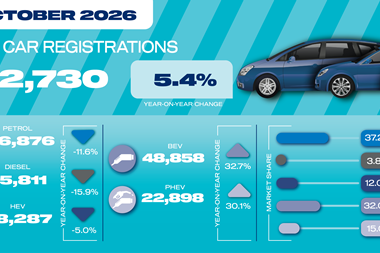
Despite such vast sums of money, retail sales of EVs remain low, with between 80 and 90% of all buyers being corporate, discounted customers, and consumers voting with their wallets and buying petrol and hybrid vehicles. While hybrids attract little or no incentives, these vehicles made up 27% of the market last month, while petrol remains the most popular choice, with 37.2% of sales.
Unions have piled pressure on the government in recent months over concerns that sub-par sales are likely to result in factory slowdowns and closures alongside inevitable job losses.
Energy-security experts, meanwhile, have voiced concern that with China processing around 90% of the materials that are essential for EV batteries, and Chinese EV brands making serious inroads into Europe, UK automotive policy is effectively gift-wrapping Britain’s car industry for that country, at the cost of established western car makers and workers.
Delvine Lane, chief executive of chargepoint firm Instavolt, says any reductions in the ZEV mandate are “speculation at this stage”, but warned: “What businesses need now is certainty, not another round of shifting goalposts”.