













The Department for Transport has pledged a further £63m to make the prospect of electric vehicle ownership more attractive to motorists.
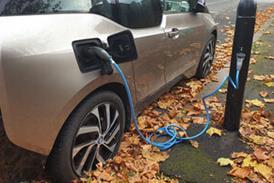
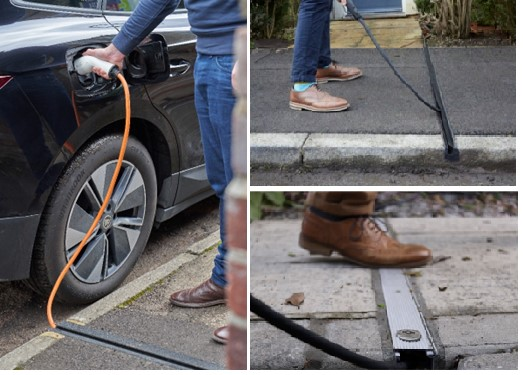
Of that total, the government is setting aside £25m to help local authorities dig gullies in pavements to allow homeowners who can park in front of their houses to safely run charging cables to their cars.
The NHS’ vast fleet of over 20,000 vehicles is also getting a boost, with £8m being earmarked to roll out electrified ambulances and other vehicles at over 200 NHS sites.
While one in four new cars registered in June was electric, the Zero Emission Vehicle (ZEV) mandate requires that 28% of all new cars sold this year be battery powered, with manufacturers facing fines of £15,000 per petrol, diesel or hybrid vehicle sold over quota.
EV take-up has been strong amongst corporate buyers, and employees taking advantage of Salary Sacrifice schemes, with those sectors receiving significant tax incentives to encourage drivers and firms to make the switch to electric.
Retail buyers, who make up around 40% of the market, get no financial encouragement to buy a new electric car, and are thought to choose anything other than one in around 90% of new-car purchases. With charging infrastructure believed to be one of the reasons for consumer EV scepticism, subsidising the digging of cable gullies is intended to help overcome such concerns.
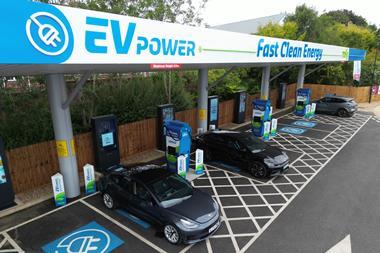
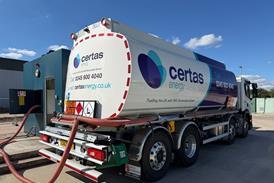
Extra cash is also being set aside to help haulage businesses install EV chargepoints at depots with the intention of encouraging uptake in the sector. New HGVs weighing 26 tonnes or less must zero emission from 2035, with sales of all new diesel trucks banned from 2040.
Announcing the funding, Transport Secretary Heidi Alexander said that the government knows “access to charging is a barrier for people thinking of making the switch”, with cable gullies intended to allow “everyone – whether or not they have a driveway” to be able to charge at home – though no mention was made of the 21.7% (5.4m) of households that comprise flats, rather than homes that might face pavements.