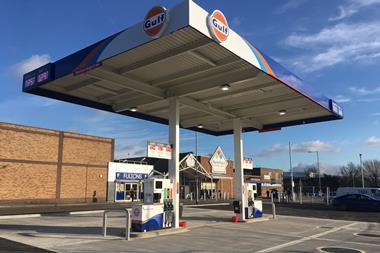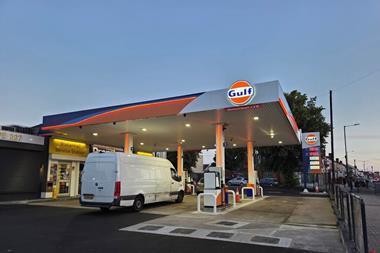
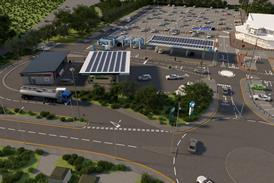




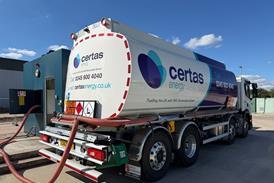








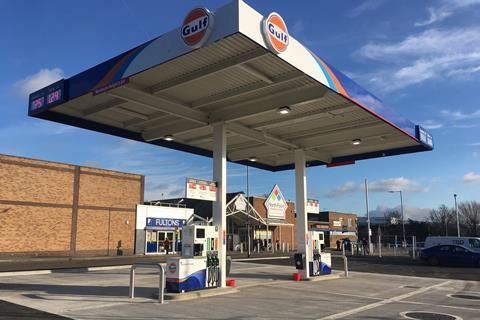
Certas Energy is engaged in a big acquisition push as it seeks to expand its network of unmanned Gulf-branded Fuel Express filling stations to 82 sites by the end of the decade.
The company currently has 41 Fuel Express outlets and is seeking out operators who might be considering selling up or leasing out their forecourts, while also looking for land on which to construct new-to-sector sites.
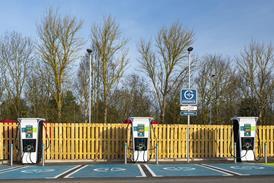
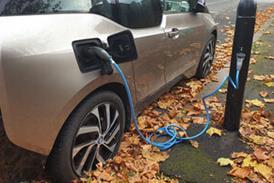
A marketing flier circulated by Certas indicates it is offering leases that run for 10 years or more, with the company taking care of environmental reports and potentially installing air, water and valeting facilities, plus EV charging.
Certas is taking a broad approach to the sites it is considering, bringing previously closed forecourts back to life in some instances, while in others installing Fuel Express filling stations on brownfield and underutilised land.
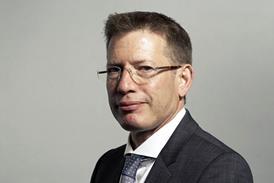
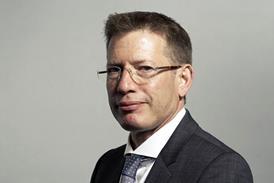
Sam Edwards, head of Fuel Express, commented: “We are open to everything: existing petrol stations that landlords no longer want to run themselves, old car washes, or small pieces of land that are completely new to industry where we can build from the ground up.” He added that “nothing is off the table”.
The company is prioritising “sites that contribute to regional economic regeneration”, including remote locations in Scotland where no other filling stations are around for miles.
Focussing on the unmanned format provides “a low-cost platform for growth”, Certas says, while offering landowners “a secure, low-touch income stream”.
The company remotely monitors its Fuel Express sites, which operate on a 24-hour basis with “local caretakers ensuring compliance, safety, and site presentation standards”.
Edwards described the Fuel Express initiative as presenting “a golden ticket opportunity” for landlords, adding:
“Our Fuel Express model delivers value on multiple fronts. It revitalises underused assets, supports local enterprise, and offers landowners a secure, low-touch income stream.
“Through the initiative, landlords lease their land to Certas Energy, and we manage the entire process from planning and installation to operation and maintenance. This removes the operational complexity and risk traditionally associated with running a forecourt.”