


















The government may only have just awarded the contract for the national Fuel Finder scheme, set to launch by the end of the year, but the Petrol Retailers Association has already raised significant questions over how the programme will operate.
The PRA has written to Ed Miliband’s Department for Energy Security and Net Zero (DESNZ) seeking clarification on what precisely will be entailed by Fuel Finder’s requirement that, in addition to sharing fuel-price updates within 30 minutes of changes being made, all 8,300 UK filling stations must inform the scheme about any grades of fuel that may be “unavailable” at individual sites. The PRA points out that grade availability was “not included as part of the original consultation on the Fuel Finder scheme”.
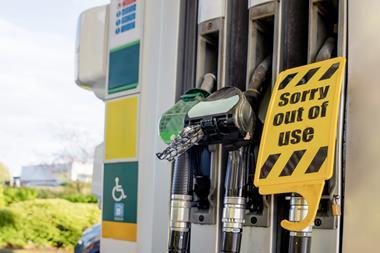
Together with Fuels Industry UK, which represents fuel refiners and distributors, the PRA has asked DESNZ whether the impact of powercuts, technical faults with pumps, or delays linked to refilling underground tanks could necessitate “unavailability” flags, while also enquiring as to whether super-unleaded and premium diesel fuels will be subject to unavailability reporting requirements. The PRA is also seeking clarification on if “unavailability” refers to overall shortages at petrol stations, or as granular a level as individual pumps being out of action.
Another factor is that IT and safety issues, such as cyber outages and fires, could make such reporting impossible, the PRA warns, because while prices would be unlikely to change during such scenarios, fuel unavailability would be a near certainty. Given the urgent responses often required during these and similar incidents, forecourt firms are unlikely to prioritise telling Fuel Finder of grade unavailability.
Yet with penalties for failing to adhere to the scheme’s requirements running to 1% of a company’s annual turnover, the organisation is understandably seeking detailed clarity about the precise requirements of the scheme.
The PRA also sets out that consumer behaviour could be made worse by the sharing of grade unavailability during national or regional fuel shortages, as have been seen at least three times this century, with motorists potentially using Fuel Finder before flocking to sites with stocks of petrol and diesel. Such eventualities would place further burdens on forecourt firms and staff during times of crisis.
The PRA is set to meet with DESNZ later in the month, with the organisation’s executive director, Gordon Balmer, saying “the practical implications of the unavailability proposal” would be discussed at this workshop.